Step by step guide to preserving cut flowers at home for longer life
Posted on 20/09/2026
Fresh flowers can change a room in seconds. One minute the table feels a bit plain, the next it looks bright, fragrant, and properly lived in. But let's face it, cut flowers do not stay perfect for long unless you give them a little care. This step by step guide to preserving cut flowers at home for longer life shows you exactly what to do, from the moment the bouquet arrives to the daily habits that keep stems looking fresher for longer.
Whether you've bought flowers for a birthday, received a thoughtful bouquet, or treated yourself on a grey Tuesday morning, the same basic principles apply: clean water, sharp cutting, good positioning, and a bit of consistency. Nothing fancy. Just the right steps, done properly. And yes, a few small mistakes can shorten vase life surprisingly fast, so we'll cover those too.
By the end, you'll know how to prepare flowers, what to trim, how often to change the water, which blooms tend to last best, and when it makes sense to choose a vase arrangement or a florist-prepared option. If you have ever stood there wondering why lovely flowers droop after two days, this guide is for you.
- Why preserving cut flowers at home matters
- How cut flower preservation works
- Key benefits and practical advantages
- Who this is for and when it makes sense
- Step-by-step guidance
- Expert tips for better results
- Common mistakes to avoid
- Tools, resources and recommendations
- Law, compliance, standards, or best practice
- Options, methods, or comparison table
- Case study or real-world example
- Practical checklist
- Conclusion
- Frequently asked questions
Why Step by step guide to preserving cut flowers at home for longer life Matters
Cut flowers are temporary by nature, but their lifespan is far from random. A bouquet can look cheerful for a week or barely make it through the weekend, depending on how it is handled. Preserving flowers properly matters because the first 24 hours after arranging them are often the most important. Get those basics right, and you give every stem a far better chance of staying upright, hydrated, and attractive.
It also matters because flowers are often bought for meaningful moments. Anniversaries. Get well visits. Sympathy arrangements. Wedding leftovers. A bit of care helps the gift last longer, which makes the gesture feel more thoughtful. To be fair, no one wants to spend money on beautiful blooms only to watch the petals curl and brown before the kettle has even cooled.
There's a practical side too. Better flower care reduces waste. If you live in a busy household, run a small office, or like keeping seasonal flowers on the kitchen table, extending vase life means fewer replacements and less disappointment. It is a small domestic skill, but a useful one.
Expert summary: The fastest way to extend cut flower life is not a single miracle product. It is a simple routine: clean vase, fresh cut stems, cool water, remove leaves below the waterline, and keep the arrangement away from heat and ripening fruit.
How Step by step guide to preserving cut flowers at home for longer life Works
Once a flower is cut, it loses access to its natural root system. That changes everything. The stem now has to draw water through cut tissue, while the bloom continues to lose moisture through its petals and leaves. Preservation at home is really about balancing that loss with better hydration and cleaner conditions.
The main problem is blockage. Stems can trap air, bacteria, and debris, which slows water uptake. The other issue is stress: warm rooms, direct sun, and ethylene gas from fruit all speed up ageing. Flowers are a bit like people after a long day in the heat. They need water, rest, and not too much fuss.
When you follow the right preservation steps, you are doing three things at once:
- helping stems absorb water efficiently
- reducing bacterial growth in the vase
- slowing the natural ageing process of the blooms
That is why the best routine is not only about the vase water. It starts with the cut angle, the condition of the leaves, the room temperature, and how often you refresh things. Small details add up. Quite a lot, actually.
Key Benefits and Practical Advantages
Good cut flower care brings more than a few extra days of colour. It changes how the whole arrangement behaves and how much enjoyment you get from it. In our experience, the difference between a bouquet that is cared for and one that is left to fend for itself is obvious by day three.
- Longer vase life: Fresh stems and clean water can noticeably extend display time.
- Better appearance: Petals stay firmer, leaves stay cleaner, and blooms hold shape for longer.
- Less waste: You get more value out of each bunch and throw away fewer flowers sooner.
- More flexibility: You can plan flowers for events, guests, or a room refresh without rushing.
- Improved scent and atmosphere: A healthier bouquet tends to smell better and look calmer, not tired and saggy.
- Better gifting experience: The person receiving flowers gets to enjoy the arrangement for longer, which is really the point.
There is also a subtle confidence that comes from knowing how to handle flowers properly. You stop guessing. You know what to do when a stem starts drooping, or when the water looks cloudy, or when roses begin to bend at the neck. That's handy.
Who This Is For and When It Makes Sense
This guide is for anyone who brings cut flowers into the home and wants them to last longer without fuss. That includes first-time buyers, keen home stylists, gift recipients, hosts preparing for guests, and anyone who simply likes fresh blooms in the kitchen or hallway.
It makes sense in all kinds of everyday situations:
- you've bought a supermarket bouquet and want it to last past the weekend
- you received a florist arrangement and want to protect the quality you paid for
- you're preparing flowers for a dinner table or celebration
- you want to keep wedding flowers looking presentable after the event
- you're trying to get a bit more life from seasonal stems such as roses, tulips, lilies, or alstroemeria
Some people also use this approach when they send flowers to someone else. A bouquet delivered well can still fade quickly if it is not unpacked and placed in water promptly. If you are choosing a bouquet with longevity in mind, it can help to look at styles such as flowers in a vase or longer-lasting stems from best sellers, because they are often arranged with display life in mind.
Truth be told, the easiest flowers to preserve are the ones you start caring for immediately.
Step-by-Step Guidance
Here's the practical part. If you want cut flowers to last longer at home, follow this routine as soon as they arrive. It is simple, but the sequence matters.
1. Unwrap the flowers carefully
Remove packaging, elastic bands, and any decorative wrap that traps moisture around the stems. Some wrapping is fine for transport, but once the bouquet is home it needs air and water. Lay the flowers flat on a clean surface while you work, especially if they have travelled a long way or look slightly tired from transit.
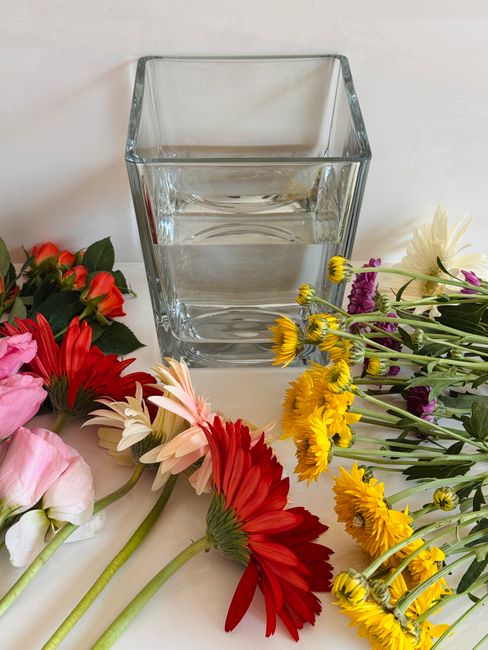
2. Prepare a clean vase
Wash the vase with hot, soapy water and rinse it well. This is one of those boring steps people skip. Then they wonder why the water turns cloudy so quickly. Bacteria in a dirty vase are one of the main reasons flowers decline early, so start clean. A narrow-neck vase can be useful for loose stems, while a wider vase works better for fuller arrangements.
3. Fill it with fresh, cool water
Use fresh water at the right temperature for the flower type and following any care note supplied with the bouquet. Cool water is a sensible default for many flowers, though some woody stems may prefer slightly warmer water when first conditioned. If the bouquet came with flower food, add it according to the instructions. Not too much, not too little.
4. Remove leaves below the waterline
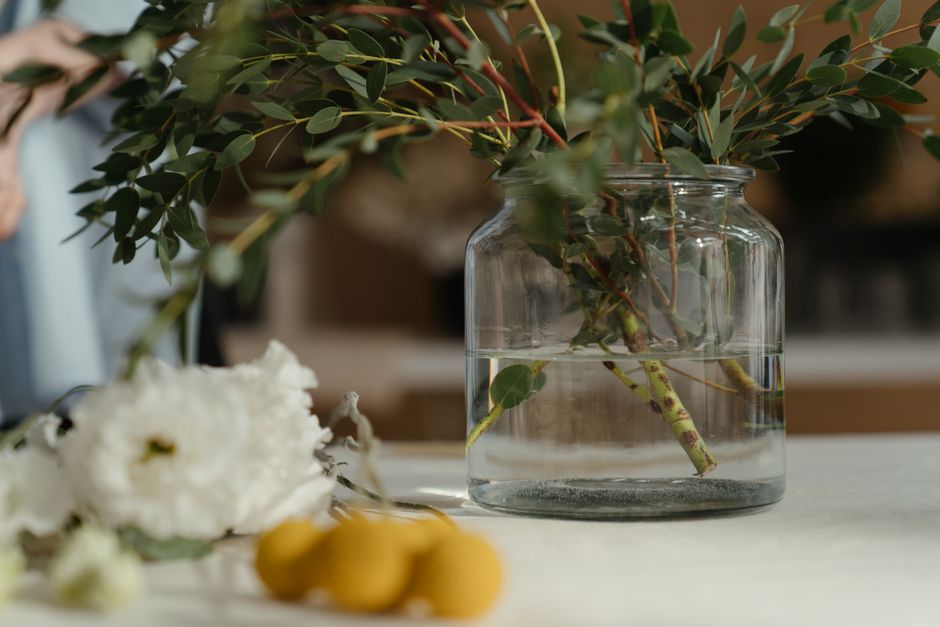
Any foliage sitting in the vase water will rot faster and create bacteria. Strip off leaves that would sit below the waterline once the flowers are placed in the vase. It feels fussy the first time. After that, it becomes second nature. And yes, it really does make a difference.
5. Recut each stem at an angle
Use clean, sharp scissors or floral shears to trim 2 to 3 cm from the bottom of each stem at a diagonal angle. A fresh angled cut helps increase the surface area for water uptake and stops the base from sitting flat against the bottom of the vase. For thick, woody stems, a slightly firmer cut can help, but do not crush the stem.
6. Place the flowers in water immediately
Do not leave freshly cut stems lying on the counter while you answer messages or make tea. Once cut, stems begin to seal themselves off. Get them into water quickly. The shorter the delay, the better the chance of good hydration.
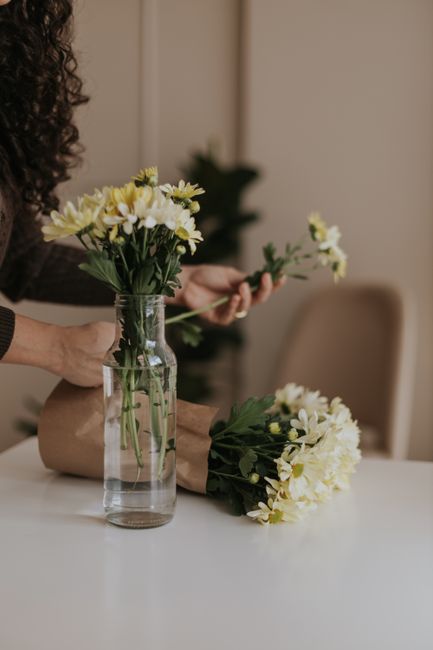
7. Arrange with space between stems
Flowers need room to breathe. If the bouquet is too crowded, some stems will struggle to take up water and some petals may bruise. Space the flowers out enough that air can circulate. That does not mean making the arrangement sparse, just not jammed in like coat hangers in a tiny cupboard.
8. Keep the vase away from heat and fruit
Place the arrangement away from direct sunlight, radiators, ovens, and bowls of fruit. Ripening fruit gives off ethylene gas, which can shorten flower life. A cool spot in the room is usually better than a sunny windowsill, especially in warm weather or near a busy kitchen.
9. Refresh the water regularly
Change the water every one to two days if you can, or sooner if it looks cloudy. Each time, rinse the vase, recut the stems slightly, and remove any fading leaves or petals. If you are in a rush, even a quick top-up is better than nothing, but a proper refresh is always the better choice.
10. Remove fading blooms promptly
As flowers begin to go over, remove them from the arrangement. Decaying blooms can release bacteria and ethylene, which can pull the rest of the bouquet down with them. A single failing stem can spoil the feel of the whole display. One little culprit, that's all it takes.
11. Watch the room temperature
Flowers generally last longer in cooler indoor conditions. If your house gets warm in the evening, or the heating comes on hard in the morning, move the vase to a cooler spot overnight. Even a small temperature shift can help a bouquet stay fresh a bit longer.
12. Tidy the arrangement as you go
Every couple of days, pinch off tired petals, check for drooping stems, and adjust the position of the flowers. This keeps the arrangement looking intentional rather than forgotten. A little maintenance goes a long way.
Expert Tips for Better Results
Once you have the basics in place, a few finer points can stretch flower life even further. These are the small practical habits that tend to separate an okay bouquet from one that stays lovely.
- Cut stems under running water if practical: This can reduce air entering the stem on sensitive flowers.
- Use the right vase size: Too much space and stems flop; too little and they crush each other.
- Condition woody stems separately: Roses and similar stems sometimes benefit from a deep drink before arranging.
- Split tulip care from rose care: Different flowers behave differently. Tulips keep growing and leaning, while roses often need steadier hydration.
- Keep flowers away from drafts: Open windows and hot-air blasts from appliances can dry petals faster than expected.
- Check water level daily: Some thirsty flowers drink more than you realise, especially in a warm room.
One small detail people overlook: the cleanliness of the cutting tool. A blunt or dirty blade can damage stems and transfer bacteria. Keep shears sharp and clean. You don't need specialist gear, but the tool should be in good nick.
If you often buy bouquets for the home, it can be worth choosing longer-lasting varieties as well. Flowers such as chrysanthemums, carnations, alstroemeria, and some lilies are usually more forgiving than very delicate stems. A florist can often advise on this, and a good florist in Manor House N4 can help you pick blooms that suit both the occasion and the room they'll sit in.
Common Mistakes to Avoid
Most flower-care mistakes are easy to fix once you know what to look for. The trouble is that they look harmless at first. Then the bouquet suddenly starts to droop and you're left thinking, well, that was quick.
- Using a dirty vase: Bacteria multiply fast in old water residue.
- Leaving leaves in the water: This speeds decay and clouds the vase water.
- Forgetting to recut stems: The original cut often seals and stops good uptake.
- Overfilling the vase: Some stems benefit from water depth, but crowded bases can damage them.
- Placing flowers in full sun: Pretty light, yes. Longer life, no.
- Keeping flowers near fruit: Ethylene exposure is not your friend here.
- Ignoring wilted blooms: One tired flower can affect the rest of the arrangement.
- Using too much flower food: More is not always better; follow the pack instructions.
Another common issue is overhandling. People keep moving the vase around the house to "find the best spot," and the stems get bumped, warmed, cooled, and generally messed about with. Pick a good spot, then leave them there as much as possible.
Tools, Resources and Recommendations
You do not need a cupboard full of specialist kit to preserve flowers well. A few basic tools make the job much easier and give more consistent results.
| Item | Why it helps | Practical note |
|---|---|---|
| Clean vase | Reduces bacteria and keeps water clearer | Wash before every new bouquet |
| Sharp scissors or floral shears | Makes a clean cut without crushing the stem | A dull blade can shorten vase life |
| Flower food | Supports hydration and helps control bacteria | Use exactly as directed |
| Small jug | Makes water changes easier and tidier | Useful for heavier arrangements |
| Soft cloth or paper towel | Helps wipe the vase and tidy spills | Handy for daily maintenance |
| Cool room space | Slows ageing and keeps blooms fresher | Choose away from radiators and fruit bowls |
If you regularly buy flowers online, the delivery style also matters. Some people prefer same-day or next-day delivery because the stems spend less time sitting around before conditioning. If that matters to you, options such as same day flower delivery in Manor House N4 or next day flower delivery in Manor House N4 can help the flowers arrive fresher, which gives you a better starting point.
You may also find care information on the site's flower care page useful if you want a quick reminder after reading this guide.
Law, Compliance, Standards, or Best Practice
For home flower care, there is no special legal compliance issue in the usual sense. Still, best practice matters, especially if flowers are used in workplaces, hospitality settings, care environments, or for events. Good hygiene, safe handling of sharp tools, and responsible disposal of wilted material are sensible standards to follow.
If you are disposing of old flowers, wrap them neatly and follow local household waste guidance where appropriate. Keep vase water out of places where it could cause slipping, particularly on tiled kitchen floors. Simple things, really, but worth doing.
From a retailer perspective, flowers sold in the UK are generally expected to be supplied with care guidance or clear handling advice where appropriate. If you ever receive a bouquet with anything unclear, it is reasonable to check the supplied instructions or the seller's terms. Pages such as returns and refund information, guarantees, and terms and conditions can help clarify expectations around delivery and product condition.
If flowers are used in a business setting, especially with shared spaces or front-of-house displays, basic workplace safety practice applies: stable vases, no trailing water, clean tools, and sensible placement away from high-traffic areas. Not glamorous, but it keeps everyone happy.
Options, Methods, or Comparison Table
There is more than one way to keep cut flowers looking good at home. Some methods are more hands-on; others are easier but less precise. The best choice depends on how much time you want to spend and what type of flowers you have.
| Method | Best for | Pros | Trade-offs |
|---|---|---|---|
| Basic vase care | Most bouquets | Simple, cheap, effective | Needs regular attention |
| Florist-prepared arrangement | Busy households or gifting | Usually well-conditioned and styled | Can be less flexible for rearranging |
| Flowers in a vase | Convenient display | Ready to place, less handling | Limited scope for custom re-cutting at start |
| Loose stem conditioning | DIY arranging | Maximum control over stem prep | Takes more time |
| Low-maintenance flower choice | Longer display life | Often lasts better, especially for beginners | May not suit every occasion |
If you want convenience first, a pre-arranged bouquet or a vase design can be the easiest route. If you enjoy arranging flowers yourself, loose stems give you more control. For many people, the sweet spot is a florist arrangement plus regular water changes. Nice balance. No drama.
Case Study or Real-World Example
A very typical example: a small bouquet arrives on a Friday afternoon for a family birthday. The recipient takes the flowers out of the wrap straight away, trims the stems, removes lower leaves, and places them in a freshly washed vase by the kitchen window, but not in direct sun. The water is changed on Sunday morning, and the stems are lightly recut.
By midweek, the arrangement still looks good enough to enjoy at breakfast. A few outer petals have aged, as they naturally do, but the central blooms remain open and bright. Nothing magical happened. The difference was simply preparation and a bit of follow-through.
Now compare that with the same bouquet left in the wrapper on the counter for several hours, put into a vase that still had yesterday's water residue, and then parked beside a fruit bowl. The flowers would almost certainly be tired much sooner. You can probably picture it already: drooping heads, cloudy water, that faint old-flowers smell. Not the vibe.
This is why the step-by-step routine matters. It turns flower care from guesswork into a repeatable habit.
Practical Checklist
Use this quick checklist whenever you bring flowers home.
- Wash the vase before use
- Fill with fresh water
- Add flower food if provided, following the instructions
- Remove any leaves below the waterline
- Cut stems at a clean angle
- Place flowers in water immediately
- Keep the vase away from direct heat and fruit
- Change the water every one to two days
- Recut stems when refreshing water
- Remove fading blooms and damaged leaves
- Check the arrangement daily for droop, cloudiness, or debris
If you prefer to buy flowers that are already arranged for longevity, it may help to browse options such as flowers in a vase, or explore styles like florist choice when you want the florist to choose the freshest seasonal mix.
Conclusion
Preserving cut flowers at home for longer life does not need complicated tricks or expensive products. It comes down to a handful of reliable habits: clean equipment, fresh cuts, good water, careful placement, and regular upkeep. Do those things well and you'll usually get noticeably better results, whether the flowers are a simple bunch from a local shop or a more elaborate arrangement for a special occasion.
The real benefit is not only longer vase life. It is also the feeling that the flowers are still doing their job in the room: softening the space, lifting the mood, and making ordinary moments feel a bit better. That part matters more than people admit.
Get a free quote today and see how much you can save.
And if you want a fresh bouquet that starts life in the best possible condition, choosing a trusted local florist and following the care steps above is a very solid place to begin.
Frequently Asked Questions
How do I make cut flowers last longer at home?
Start with a clean vase, trim the stems, remove leaves below the waterline, use fresh water, and keep the flowers away from heat and fruit. Regular water changes are one of the biggest factors.
Should I cut flower stems under water?
It can help for some flowers because it reduces air getting into the stem. It is not essential for every bouquet, but it is a useful technique if you want to be extra careful.
How often should I change vase water?
Every one to two days is a good rule of thumb. If the water looks cloudy or smells off, change it sooner. Clean water really matters.
Do cut flowers need flower food?
Flower food can help by feeding the blooms and slowing bacterial growth, but it must be used exactly as instructed. It is helpful, though not a substitute for good vase care.
What flowers last the longest in a vase?
Some of the longer-lasting flowers often include carnations, chrysanthemums, alstroemeria, and certain lilies. Exact lifespan depends on freshness, handling, and room conditions.
Can I use tap water for cut flowers?
In most homes, yes. Fresh tap water is usually fine for vase care unless your flower supplier gives different instructions. Clean water is more important than anything fancy.
Why do my flowers droop so quickly?
Common reasons include dirty vase water, blocked stems, too much heat, direct sun, or flowers being left out of water too long after cutting. Sometimes it is one small thing, sometimes several.
Is it better to keep flowers in a cool room?
Yes, cooler rooms usually help flowers last longer because they slow moisture loss and ageing. Avoid placing them near radiators, sunny windows, or warm appliances.
Should I remove all the leaves from my flowers?
No, just the leaves that would sit below the waterline. Removing too much foliage can make the bouquet look sparse and may reduce its visual impact.
Are supermarket flowers harder to preserve than florist flowers?
Not necessarily. Freshness and handling matter more than where the flowers were bought. A well-cared-for supermarket bouquet can outlast a florist bouquet that was neglected.
Can I revive wilted flowers?
Sometimes, yes. Recut the stems, place them in clean water, remove damaged leaves, and move them to a cooler spot. But if the flowers are already very tired, recovery may be limited.
How long should cut flowers last at home?
That depends on the flower type and how well they are cared for. Some blooms last only a few days, while others can look good for a week or more. Good care often makes a noticeable difference.