How much do wedding flowers cost in 2026 in UK venues
Posted on 06/10/2026
Planning a wedding in the UK can feel wonderfully exciting right up until the numbers start landing on the page. And flowers? They often catch couples by surprise. If you are asking how much do wedding flowers cost in 2026 in UK venues, the honest answer is: it depends on the scale of your day, the season, the flowers you choose, and how much installation work your florist has to do. But there are realistic ranges, and knowing them early helps you plan with far less stress.
In this guide, we will break down what UK couples are likely to spend in 2026, what drives the price up or down, and how venue style changes the budget. You will also find practical examples, a comparison table, common mistakes to avoid, and a checklist you can actually use. No fluff. Just the stuff that helps.
Truth be told, wedding flowers are one of those areas where a little knowledge saves a lot of panic.
Why How much do wedding flowers cost in 2026 in UK venues Matters
Flowers do more than decorate a room. They shape the whole atmosphere of the day. The bouquet in your hand, the ceremony arch, the table centres, the buttonholes, the entrance arrangement as guests arrive in their coats and heels and slightly-too-hopeful umbrellas... it all adds up to the feeling people remember.
That is why pricing matters. If you set the floral budget too low, you may end up with a look that feels sparse in the venue. Set it too high without understanding the market, and you can overspend before you have even booked stationery, music, or cake. A sensible flower budget keeps the rest of the wedding plan calmer, and frankly, calmer is underrated.
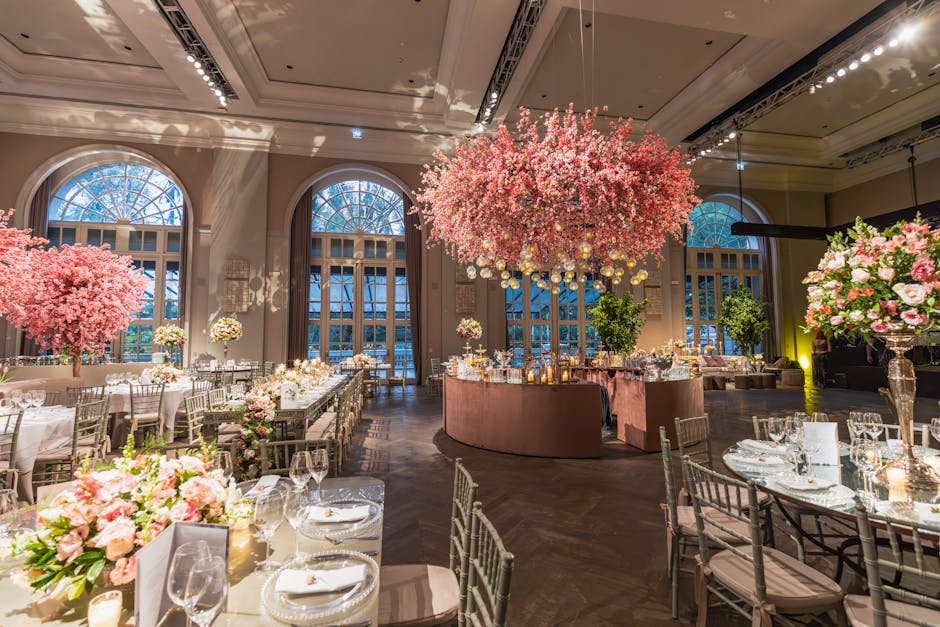
In UK venues, the setting itself can affect the spend. A small manor house room might only need a few statement pieces, while a large barn, hotel ballroom, or marquee can need much more scale. You are not just buying flowers; you are often paying for design, labour, conditioning, transport, setup, and collection too.
Key takeaway: in 2026, wedding flower costs in the UK are less about a single average price and more about what you are asking the florist to create, where they have to create it, and how many moving parts are involved.
How How much do wedding flowers cost in 2026 in UK venues Works
Wedding floral pricing usually combines three things: materials, labour, and logistics. The materials are the flowers and foliage. Labour covers design time, preparation, conditioning, wiring, wrapping, and arranging. Logistics includes delivery, on-site styling, setup, and sometimes takedown.
For 2026, most couples in the UK can expect broad budgeting bands rather than fixed prices. As a practical guide:
- Simple bridal flowers only: often around GBP120 to GBP300
- Small ceremony package: around GBP300 to GBP800
- Mid-size wedding floral plan: around GBP800 to GBP2,000
- Full venue styling with statement arrangements: GBP2,000 to GBP5,000+
Those figures are not a promise, and they are not universal. A handful of seasonal stems in a compact bouquet can be affordable. A large cascading bridal bouquet packed with premium blooms, plus aisle flowers, mantle pieces, entrance arrangements, and repurposed ceremony florals, will naturally sit higher.
UK venue type makes a noticeable difference. For example, a city venue with clean architectural lines may need fewer flowers to feel complete, while a blank canvas barn often needs more visual volume. A luxury hotel may already have strong interiors, so you might focus on entrances and tables. A marquee in a field? Lovely, but you may be building the floral atmosphere from scratch. And yes, that takes budget.
Season matters too. In-season British flowers or widely available stems tend to be more cost-effective and more reliable. Out-of-season roses, peonies, or orchids can push costs up. Imported flowers may also be affected by supply conditions, transport, and timing. Nothing dramatic there, just the usual real-world pressure points that wedding couples rarely see until the quote arrives.
Key Benefits and Practical Advantages
Understanding wedding flower costs early gives you practical control. That is the main benefit. But there are a few others worth spelling out.
- Better budget balance: once you know what flowers are likely to cost, you can allocate money to photography, food, and entertainment with less guesswork.
- Less last-minute compromise: if you start with realistic expectations, you are less likely to panic-cut pieces later.
- Smarter venue planning: you can match your floral plan to the size and layout of the venue rather than forcing an expensive look into the wrong space.
- More coherent design: when flowers are planned properly, the bouquet, ceremony styling, and table flowers feel like one story rather than random separate purchases.
- Reduced waste: good planning means fewer unused stems and better repurposing of arrangements from ceremony to reception.
There is also an emotional benefit, which people do not talk about enough. Knowing the numbers early makes the process feel manageable. You can enjoy the creative side without that little knot in your stomach. Lovely detail, yes. But not at any cost.
Who This Is For and When It Makes Sense
This topic is for couples who want a realistic wedding budget, not a fantasy one. It is especially useful if you are:
- planning a UK venue wedding in 2026
- trying to compare florist quotes fairly
- working out whether flowers should be a priority spend or a reduced feature
- deciding between DIY flowers and a professional florist
- choosing a venue and want to understand the styling implications
- trying to make a smaller budget look elegant rather than bare
It also makes sense if you are the kind of couple who wants to avoid awkward surprises. Maybe one of you imagines a classic white rose look, while the other is picturing a more relaxed seasonal design with foliage and colour. Fair enough. Those are very different budgets.
In our experience, the couples who benefit most are not necessarily the ones spending the most. They are the ones asking better questions early. What is included? What is hired and what is bought? Can the ceremony flowers be moved to the reception? Will the florist do the setup, or just deliver to the door? Small questions. Big difference.
Step-by-Step Guidance
If you want to estimate flower costs properly, work through the decision in this order. It keeps the budget grounded.
- List the floral moments you actually need. Start with the bridal bouquet, bridesmaid bouquets, buttonholes, ceremony flowers, table flowers, and any entrance or staircase designs.
- Check your venue layout. Walk through where guests will enter, where the ceremony happens, and where people will sit. Venues with multiple rooms often need more than you first expect.
- Decide the visual priority. Do you want a dramatic bouquet and simple tables, or modest personal flowers and a strong ceremony display? You rarely get all of it on a tight budget.
- Choose your style and season. Seasonal flowers usually give better value. A spring palette will cost differently from a winter luxury look. Not better or worse, just different.
- Ask for itemised quotes. A clear breakdown helps you see whether you are paying for flowers, design time, hire items, candles, vases, or installation.
- Plan for reuse. Ask whether ceremony arrangements can be moved to the reception. This is one of the easiest ways to improve value.
- Build in a contingency. Floral pricing can move with supply and availability. Even a small buffer helps.
A practical tip: if you are reviewing florist proposals, compare like with like. One quote may include venue setup, while another assumes you will collect the flowers yourself. Easy to miss, and annoyingly common.
Expert Tips for Better Results
If you want flowers that look beautiful without burning through the budget, these are the decisions that tend to matter most.
- Use seasonal flowers wherever possible. It usually improves both value and freshness.
- Focus on high-impact areas. Guests notice the bouquet, ceremony focal point, top table, and entrance first.
- Mix premium blooms with supporting flowers. A few high-end stems among more affordable flowers can create a luxurious effect without a luxury-only price tag.
- Consider statement pieces instead of many small ones. Sometimes one strong arrangement says more than six tiny vases.
- Choose bouquets carefully. Bridal and bridesmaid bouquets can vary a lot in size and style. That is one of the quickest places for costs to rise.
- Ask about reuse and repurposing. Ceremony flowers that move to the reception are doing double duty. Love that for the budget.
- Be clear on setup access. If the florist has limited loading access, tight timing, or restrictions from the venue, labour time may increase.
One small but useful observation: couples often obsess over flower type before they have agreed the overall scale. Scale comes first. Always. A simple bouquet with a good shape can look more polished than a crowded design with too many competing elements. That is just how the eye works.
Common Mistakes to Avoid
Here are the errors that most often make wedding flower budgets go sideways.
- Budgeting only for the bouquet. The bouquet is visible, yes, but the rest of the day can quietly cost more.
- Forgetting venue-specific requirements. Some venues have rules about candles, confetti, hanging installations, or access times. Flowers can be affected by all of that.
- Ignoring installation labour. A beautiful arch is not just flowers. It is time, transport, structure, and skilled setup.
- Choosing expensive flowers for every element. If every piece is premium, the whole plan balloons very quickly.
- Not asking what can be reused. Ceremony flowers left behind after thirty minutes are a missed opportunity.
- Comparing quotes without checking inclusions. Two florists can quote the same headline number and still be offering very different things.
And here is a slightly awkward truth: the prettiest quote is not always the best one. Sometimes the neatest-looking proposal hides lots of extras that appear later. Bit annoying, but worth watching.
Tools, Resources and Recommendations
You do not need fancy software to plan flower costs, but a few simple tools make the process smoother.
- A wedding budget spreadsheet: ideal for splitting flowers into bridal, ceremony, reception, and extras.
- A venue floor plan: even a rough sketch helps you see where flowers will have visual impact.
- Inspiration boards: useful for showing style preferences, though keep them realistic for your budget.
- Itemised florist quotes: essential for fair comparison.
- Guest table count: because table flowers scale with the number of tables, and that can change quickly.
If you are browsing product ranges, it helps to look at dedicated wedding collections such as bridal bouquets, bridesmaid bouquets, buttonholes, and table arrangements. Seeing the elements separately makes it much easier to understand where the budget goes.
If you want a broader starting point, the weddings collection is useful for comparing styles and building a fuller picture of what your day might need.
Law, Compliance, Standards, or Best Practice
Wedding flowers are not usually a heavily regulated purchase in the way some services are, but there are still a few best-practice points worth paying attention to. Venues in the UK often have their own operational rules about delivery windows, setup access, fire safety around open flame, and what can be attached to walls, ceilings, or historic surfaces. That is especially true in listed buildings and older venues.
From a practical standpoint, ask whether the florist is insured and whether they understand the venue's set-up restrictions. If they are installing large arrangements or working in a busy venue with other suppliers coming and going, timing matters. A florist who arrives late in a cramped loading bay is not having a good day, and neither are you.
Best practice also means being clear about preservation, waste, and disposal. Some venues prefer arrangements to be taken away after the event, while others may allow guests to take blooms home. If you want to donate flowers or repurpose them, check with the venue and florist early. Simple enough, but worth asking.
And a small note on quality: good floristry should involve fresh handling, clean water, proper conditioning, and careful transport. You do not need to be technical about it, but if someone cannot explain how they keep flowers fresh on a long wedding day, that is a signal to keep asking questions.
Options, Methods, or Comparison Table
One of the most useful ways to think about wedding flowers is by style of approach, not just by product. Here is a simple comparison.
| Approach | Typical Budget Level | Best For | Watch Outs |
|---|---|---|---|
| DIY flowers | Lower | Very small weddings, hands-on couples, simple styling | Time pressure, transport, and uneven finish |
| Florist-led essentials only | Moderate | Ceremony and personal flowers with minimal venue styling | Can feel sparse if the venue is large |
| Mixed approach | Moderate to higher | Couples who want a polished look without full venue coverage | Needs clear planning so pieces work together |
| Full floral styling package | Higher | Large weddings, statement venues, luxury designs | Cost rises quickly with size, setup, and premium blooms |
The mixed approach is often the sweet spot. It lets you spend on the parts people will see up close and keep the rest simpler. In a UK venue, that can mean a refined bouquet, a strong ceremony piece, and elegant table florals, without turning the whole room into a flower shop explosion. Which, to be fair, nobody really needs.
Case Study or Real-World Example
Let's imagine a realistic 2026 wedding at a countryside venue in the UK. The couple has 80 guests, a ceremony in one room, a drinks reception in a second space, and dinner in a barn-style hall. They want a romantic but not overly formal feel.
Rather than styling every corner, they choose a few focused pieces: one bridal bouquet, three bridesmaid bouquets, six buttonholes, a ceremony arrangement for the front of the aisle, two pedestal-style displays to frame the vows, and simple table flowers for the reception. After the ceremony, the front arrangements are moved to the reception entrance and the top table.
That kind of plan tends to work well because it is efficient. The flowers are seen where they matter most, then reused. The venue feels dressed, but not overloaded. Guests notice the entrance, the aisle, the bouquet in photos, and the table details at dinner. Nothing wasted.
Now compare that with a second couple getting married at a large hotel ballroom. The room is bigger, the ceilings are higher, and there are more tables. They need more stem count and more installation to create the same visual impact. Even if they like the same flowers, their final price can be significantly higher because the space asks for more. That is the part many people miss at first glance.
So the "same" wedding flower style can land at very different price points depending on the venue. It really is that simple, and that annoying.
Practical Checklist
Use this quick checklist before you book anything.
- Have I set a realistic total flower budget?
- Do I know which floral items are essential and which are optional?
- Have I checked the venue layout and access rules?
- Do I know whether the florist includes delivery and setup?
- Have I asked which flowers are seasonal for my date?
- Can any ceremony flowers be reused at the reception?
- Have I compared itemised quotes rather than headline prices?
- Do I know whether vases, stands, or hire items are included?
- Have I confirmed colour palette, flower style, and size?
- Is there a little contingency in the budget for changes?
If you can tick most of those off, you are in a much stronger position than most couples at the start. Small steps, but they stack up.
Conclusion
So, how much do wedding flowers cost in 2026 in UK venues? For most couples, the answer sits somewhere from a few hundred pounds for simple floral touches to several thousand for full venue styling. The real price depends on the venue size, the level of design, the flower choice, the season, and how much labour is needed on the day.
If you take one thing from this guide, let it be this: budget for the look you actually want in the space you actually have. Not the Pinterest version. Not the dream version with unlimited stems and invisible logistics. The real version. That is the one that works, and the one you will remember with a smile rather than a spreadsheet headache.
Start with the essentials, ask for itemised quotes, and build around what matters most to you. A well-planned floral budget can make the whole day feel warmer, calmer, and more beautiful. And that, really, is the point.
Get a free quote today and see how much you can save.
Frequently Asked Questions
What is a realistic wedding flower budget in the UK for 2026?
A realistic budget depends on your venue and style, but many couples should expect anything from a few hundred pounds for basic personal flowers to a few thousand for larger venue styling. The more arrangements, the higher the total.
Why do wedding flowers cost more in some venues?
Larger or more complex venues usually need more flowers, more setup time, and sometimes more labour. A simple room can be dressed with fewer pieces, while a barn, hotel ballroom, or marquee often needs more volume.
Are seasonal flowers cheaper for weddings?
Usually, yes. Seasonal flowers are often easier to source and can be better value. They also tend to look fresh and natural for the time of year, which is a nice bonus.
What are the most expensive wedding flowers?
Premium blooms such as peonies, orchids, and out-of-season varieties often cost more, especially when demand is high or supply is limited. The final price also depends on how many stems are used and how they are arranged.
Can I save money by reusing ceremony flowers at the reception?
Yes, and it is one of the smartest ways to stretch your budget. Ceremony pieces can often be moved to the entrance, top table, or bar area after the vows, provided the florist and venue can manage the move.
How many flowers do I need for a UK wedding?
There is no fixed number. It depends on the guest count, table layout, ceremony format, and the look you want. A small intimate wedding may only need personal flowers and a few focal arrangements, while a larger venue can need much more.
Should I choose DIY wedding flowers or a florist?
DIY can save money, but it takes time, space, transport, and a fair bit of confidence. A florist costs more, naturally, but usually reduces stress and delivers a more polished result. For many couples, the middle ground works best.
Do florists in the UK usually include delivery and setup?
Some do, some do not. Always check. Delivery, installation, and collection can affect the quote quite a lot, so itemised pricing is your friend here.
How far in advance should I book wedding flowers?
As early as you can once your date and venue are confirmed. Popular wedding dates, especially in spring and summer, get booked quickly. Early booking also gives you time to refine the design and keep costs under control.
Can I keep wedding flowers simple and still make the venue look good?
Absolutely. A simple design can still feel elegant if it is well placed. Focus on the bouquet, ceremony focal point, and a few strong table pieces rather than trying to decorate every surface.
What should I ask for in a florist quote?
Ask for a clear breakdown of flowers, labour, delivery, setup, hire items, and collection. Also ask whether candles, vases, and reusable structures are included. A tidy quote saves a lot of guesswork later.
What if my venue has restrictions on candles, hanging flowers, or access?
That is common, especially in historic or tightly run venues. Tell your florist early so they can design around the restrictions. Good florists are used to this sort of thing and will usually suggest a better alternative rather than forcing the issue.
For couples looking at wedding flowers in more detail, it can also help to browse related floral options such as wedding corsages and wedding gifts when planning the full guest experience.
In the end, the best floral plan is the one that suits your venue, your budget, and the feeling you want when you walk into the room. Get that right, and the rest starts to fall into place.