Guide to compostable flower packaging and sustainable UK delivery
Posted on 28/09/2026
Fresh flowers are a beautiful thing, but the packaging around them has become a bigger part of the conversation than many people expected. If you are looking for a Guide to compostable flower packaging and sustainable UK delivery, you are probably trying to balance presentation, freshness, and a lower environmental impact without making life harder for customers or the florist team. Fair enough. That balance is exactly where good decisions are made.
In this guide, we will look at what compostable flower packaging actually means, how sustainable delivery works in the UK, where the real-world problems usually appear, and how to choose options that hold up in transit. We will also cover practical steps, common mistakes, and a straightforward checklist you can use before sending flowers out the door. The goal is simple: better flowers, less waste, fewer headaches.
And yes, you can still make the bouquet look elegant. Compostable does not have to mean dull. Not even close.
- Why it matters
- How it works
- Key benefits and practical advantages
- Who this is for and when it makes sense
- Step-by-step guidance
- Expert tips for better results
- Common mistakes to avoid
- Tools, resources and recommendations
- Law, compliance, standards, or best practice
- Options, methods, or comparison table
- Case study or real-world example
- Practical checklist
- Conclusion
- Frequently asked questions
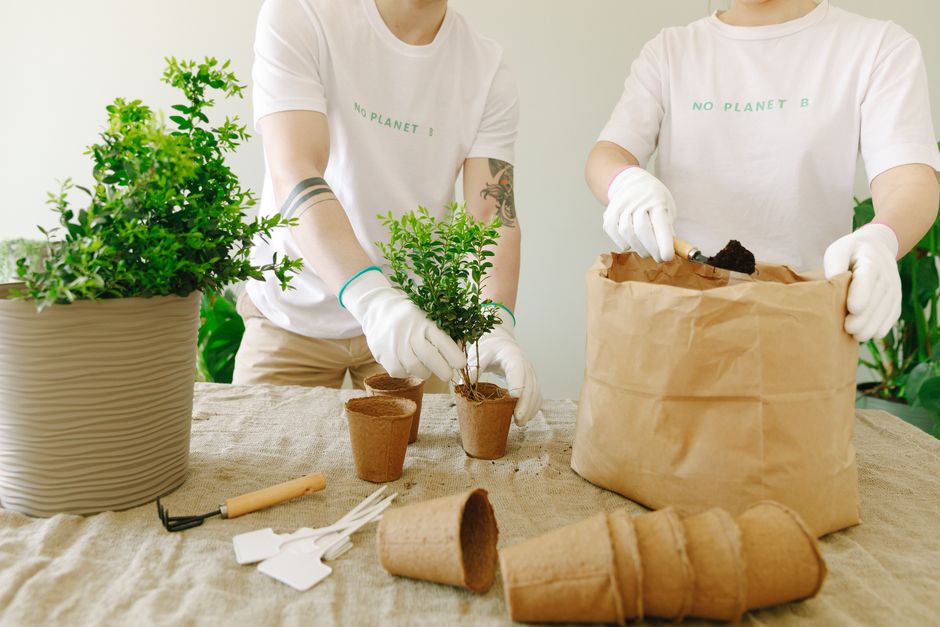
Why Guide to compostable flower packaging and sustainable UK delivery Matters
Flower delivery has a hidden footprint. There is the packaging itself, the energy used to produce and move it, the delivery route, and the waste left behind once the bouquet has been enjoyed. For many customers, the box, sleeve, tape, inserts, and water source matter almost as much as the flowers. That is especially true for people buying gifts for birthdays, sympathy occasions, weddings, or corporate events, where presentation and values both count.
In the UK, sustainability expectations are also changing. Customers are more aware of plastic waste, and businesses are under growing pressure to make sensible choices rather than just using green language on a homepage. To be fair, most buyers do not expect perfection. They do expect honesty, and they usually notice when a florist or delivery service makes a real effort.
Compostable packaging is part of that effort. But it only works if it is used properly. A compostable wrap that fails in damp weather, or a delivery system that wastes fuel on poorly planned routes, is not really sustainable at all. The details matter. That is the bit people miss when they rush the topic.
For local florists and online flower retailers, sustainable delivery can also improve the customer experience. A carefully packed bouquet arrives looking fresher, with less damage and less mess. That matters whether you are sending a same-day gift across town or using flowers by post Manor House N4 for a planned occasion. Sustainable practice and good service do not need to fight each other. Usually, they work better together.
How Guide to compostable flower packaging and sustainable UK delivery Works
At its simplest, compostable flower packaging is designed to break down under the right conditions into organic matter, rather than lingering as conventional plastic waste. In practical terms, that might include compostable sleeves, paper-based wraps, plant-based films, cardboard inserts, twine, and water-retaining materials chosen with end-of-life in mind.
But the label alone does not tell the full story. There are a few moving parts:
1. The bouquet protection layer
This is the part that keeps stems stable, reduces friction during transit, and helps protect petals from bruising. A well-designed compostable sleeve or wrap should be strong enough for delivery, breathable where needed, and not soaked through before it arrives. That balance is tricky, honestly, and it is where many packaging systems need testing.
2. The moisture management layer
Flowers need water or hydration support depending on the delivery method. Some bouquets travel in water-filled wraps or transport packs, while others are secured for short journeys and rehydrated on arrival. If the packaging is compostable, you still need it to handle condensation, light leaks, and the occasional bumpy van ride. British weather can be a bit of a test, as anyone who has carried boxes through a drizzly Tuesday knows.
3. The presentation layer
Delivery packaging also serves a branding function. It is the first thing the customer sees. Compostable materials can still look premium if the colour palette, textures, and finishing details are chosen carefully. Kraft paper, plant-fibre tape, and minimal printed messaging often look cleaner than overly glossy plastic finishes anyway.
4. The delivery method
Sustainable delivery is not just about packaging. It also includes route planning, consolidation of orders, fuel efficiency, parcel sizing, and avoiding wasted trips. A florist delivering locally with a focused route plan can often lower emissions more effectively than a long-distance parcel solution, especially for time-sensitive products. If you offer options such as same day flower delivery Manor House N4 or next day flower delivery Manor House N4, the delivery model should be built around reliability first and waste reduction second. Both matter.
In real terms, the best system is usually the one that protects freshness, keeps packaging simple, and avoids unnecessary material layers. Not glamorous, perhaps. Very effective, though.
Key Benefits and Practical Advantages
The obvious benefit is environmental: less plastic, less landfill burden, and a more thoughtful end-of-life path for packaging. But the advantages go beyond that.
Better customer trust
Customers notice when a florist takes sustainability seriously. It can be a quiet trust signal. You do not need to shout about it. You just need packaging and delivery that feel considered, tidy, and honest. If a customer opens a bouquet and finds recyclable or compostable materials used consistently, that builds confidence quickly.
Cleaner unboxing experience
Too much packaging can make a flower gift feel overworked. Compostable solutions often encourage a simpler, neater presentation. That can be a genuine improvement. The bouquet becomes the focus again, which is how it should be.
Reduced operational clutter
Using fewer mixed materials can make waste separation easier for the business. Staff do not have to guess what goes where at the end of the day. It sounds minor, but repeated waste sorting is one of those small friction points that becomes annoying over time.
Better alignment with customer values
Many buyers now want gifts that feel personal and responsible. This matters across everyday orders as well as event flowers. A customer choosing wedding flowers Manor House N4, for example, may want the styling to be elegant but not wasteful. The same applies to sympathy flowers, anniversary gifts, and corporate deliveries.
Potential transport efficiency gains
Eco-friendly delivery is often helped by right-sized packaging. When bouquets are packed efficiently, more can fit safely in one route without excess void space. That can reduce vehicle trips and lower damage rates. Smaller gains add up.
Expert summary: The best compostable flower packaging is not the most visibly eco-looking one. It is the one that still protects the flowers, keeps presentation beautiful, and fits neatly into a sensible UK delivery system.
Who This Is For and When It Makes Sense
This approach is useful for a wide range of florists and flower businesses, but it is not a one-size-fits-all answer. Different channels need different setups.
Local florists
If you operate a shop and fulfil local deliveries, compostable packaging can be a very practical upgrade. Local delivery routes are shorter, so you can afford to use simple, elegant materials without overengineering the pack. For a business with a local presence such as florist Manor House N4, the customer experience often improves when packaging is tasteful and easy to dispose of properly.
Online flower sellers
Postal and courier-based delivery needs more protection. That means the packaging choice becomes more technical. If your service includes delivery across wider areas, you need to think about vibration, temperature changes, handling points, and delays. Compostable materials can still work well, but they have to be selected carefully.
Wedding and event florists
For weddings, graduations, and corporate events, sustainability can be part of the brief. Clients often ask for lower-waste options, especially when they are planning a large order. Simple, compostable wrap systems and reusable transport crates can make a noticeable difference.
Gift buyers
If you are choosing flowers for someone else, sustainable packaging is a nice bonus. It feels thoughtful. It also saves the recipient from wrestling with plastic layers and fiddly ties. Not the most romantic part of the process, granted, but it matters.
When it makes less sense
There are situations where ultra-minimal packaging is not the answer. Long transit times, heat-sensitive blooms, winter frosts, or delicate arrangements may need extra protection. In those cases, the sustainability question is about using the least harmful packaging that still gets the flowers there in good condition. That is the real test.
Step-by-Step Guidance
If you want to build a practical sustainable flower delivery system, work through it methodically. Small decisions stack up.
- Define the delivery journey. Map where the bouquet starts, how long it travels, whether it is same-day or next-day, and how many handling points it passes through.
- Choose the right packaging format. Decide whether the bouquet needs a sleeve, box, carry pack, water source, or outer shipping carton. For smaller local hand deliveries, a lighter wrap may be enough. For parcels, more structure is usually needed.
- Reduce material mix. Use fewer material types where possible. Mixed plastics, foils, and laminated papers complicate disposal. Keep it simple if you can.
- Test moisture and crush resistance. This is the boring bit, and also the bit that saves money. Try the pack in wet conditions, in a van, and during a busy loading day. If it fails in the yard, it will fail on the road too.
- Choose clear disposal instructions. If the customer cannot tell what to do with the packaging, the whole compostable promise becomes muddled. A brief note inside the order can help.
- Plan delivery routes carefully. Group orders geographically where possible. Fewer stops, less backtracking, less wasted fuel. It is basic, but effective.
- Train staff on presentation and handling. A sustainable pack can still be ruined by rushed assembly. Staff should know how to secure stems without crushing petals or overusing tape.
- Monitor complaints and damage rates. If damage rises after switching materials, revisit the setup. Sustainability that increases waste through replacements is not a win.
A useful rule of thumb: start with the flower's needs, then design the packaging around that, not the other way round. It sounds obvious. Somehow it still gets missed.
Expert Tips for Better Results
There are a few things that make a real difference when you move from theory to practice.
Keep branding restrained and tactile
Heavy ink coverage, plastic laminates, and glossy coatings can undermine the sustainability story. A restrained printed sleeve, natural textures, and one or two brand colours often look better anyway. The result feels calmer, more premium, less shouty.
Use the lightest packaging that still protects the flowers
Do not overpack out of fear. It is easy to add one more insert, one more wrap, one more liner. Then suddenly the bouquet is in a small fort. Test light packaging first, then only add what genuinely improves transit performance.
Match packaging to bouquet type
Delicate stems, larger sympathy arrangements, hand-tied bouquets, and high-value roses all need different treatment. For example, a compact hand-tied bouquet can usually travel in a simpler compostable wrap than a loose, multi-stem arrangement. If you sell a wide range, such as birthday flowers Manor House N4 or funeral flowers Manor House N4, keep several packaging templates rather than forcing one solution everywhere.
Think about the recipient first
If the recipient has to peel off layers, find scissors, and decode disposal instructions, the packaging has gone too far. Beautiful flowers should arrive with a simple path from box to vase.
Make the delivery workflow as calm as possible
Sustainable delivery is easier when the process is steady. Fixed dispatch windows, organised loading, and clear address verification reduce failed deliveries. A rushed last mile can undo the benefits of otherwise good packaging. Truth be told, that is where the gremlins live.
Pair packaging with care advice
A short note on flower care helps extend vase life and reduce waste. When flowers last longer, the whole purchase feels more sustainable because the product is used well.
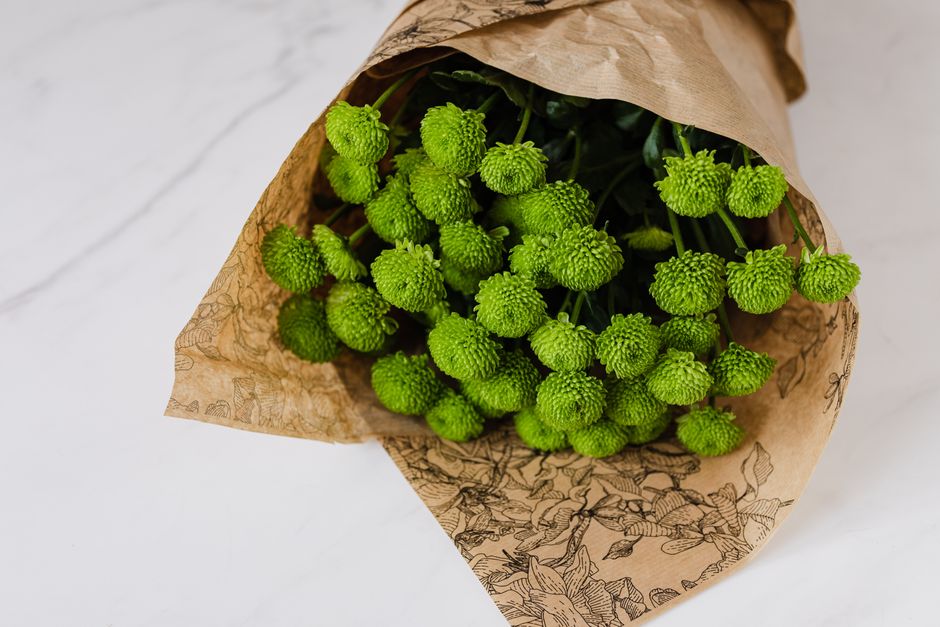
Common Mistakes to Avoid
Most problems come from assuming "compostable" means "carefree." It does not. Here are the mistakes that crop up most often.
- Using compostable materials that are too weak for delivery. A wrap that tears in transit creates more waste, not less.
- Mixing compostable and non-compostable parts without a plan. A paper sleeve with plastic tape and metallic stickers is a muddle.
- Ignoring moisture performance. Flowers and water are not going away, so the packaging has to deal with humidity and condensation.
- Overstating environmental benefits. If a product is only partly compostable, say so plainly. Customers value clarity.
- Forgetting route efficiency. Packaging changes alone will not transform sustainability if delivery miles keep creeping up.
- Using the same system for every product. Bouquet size, occasion, and delivery speed all matter.
- Not training staff. Even the best system falls apart when it is assembled inconsistently.
One small but common issue is disposal confusion. Some materials are compostable in industrial systems but not at home, and some are technically biodegradable but not very helpful in normal household waste streams. If the customer cannot make sense of it quickly, the material choice has failed the usability test. Simple as that.
Tools, Resources and Recommendations
You do not need a huge tech stack to improve sustainable flower delivery, but a few practical tools help.
Packaging sample kits
Ask suppliers for samples and test them with real arrangements. Wet them, carry them, shake them a little, and inspect the corners. A pack can look lovely on a desk and still collapse under normal dispatch pressure. It happens.
Delivery route planning software
Route planning tools can reduce fuel use, missed drops, and backtracking. For florists handling multiple local orders, this can make a surprising difference to the day. Less zig-zagging. Less stress. Better flowers by the time the van doors open.
Internal quality checklist
Create a short dispatch checklist for packaging, freshness, address validation, and loading order. It does not need to be fancy. It needs to be used.
Product range pages that support better choice
Clear product categorisation helps customers choose the right kind of arrangement, which reduces mismatch and returns. For example, a well-organised range like all flowers, luxury flowers, or best sellers can make it easier to pair the right product with the right packaging and delivery method.
Packaging supplier documentation
Keep spec sheets, material details, and disposal guidance on file. This matters not just for operations, but for customer service too. If a question comes in, you want a clear answer, not a hopeful guess.
Law, Compliance, Standards, or Best Practice
Flower packaging and delivery sit in a space where practical compliance matters more than grand claims. In the UK, businesses should be careful about how they describe materials as recyclable, compostable, or biodegradable. Those terms are often used loosely in marketing, but customers expect accuracy, and misleading environmental claims can cause trouble.
Best practice is to describe the material honestly and specifically. If packaging is compostable under certain conditions, say what those conditions are in plain English. If a component should go in household waste rather than compost, do not hide that. Clarity builds trust.
It is also sensible to think about the wider responsibilities a business has around waste, packaging, and delivery operations. That includes:
- using accurate disposal guidance
- keeping supplier information on hand
- avoiding vague environmental wording
- making sure staff know how to present the product properly
- checking whether your packaging choices fit your waste contractor or local disposal expectations
For businesses with broader policies, documents like sustainability, terms and conditions, and returns and refund pages should reflect what you actually do. If you say a bouquet is eco-conscious, the packaging and delivery process should support that claim. That sounds obvious, but inconsistent wording is one of the quickest ways to lose credibility.
In practice, the safest approach is honesty over hype. Customers usually appreciate that more than a polished slogan.
Options, Methods, or Comparison Table
Different packaging and delivery setups suit different businesses. Here is a practical comparison to help you weigh the trade-offs.
| Option | Best for | Strengths | Limitations |
|---|---|---|---|
| Compostable sleeve with minimal wrap | Local hand deliveries | Low material use, tidy presentation, easy disposal | Less protection for long transit or wet conditions |
| Compostable sleeve plus protective outer box | Courier or postal flowers | Better crush protection, still lower-plastic than conventional packs | Higher material use and slightly more assembly time |
| Paper-based wrap with water support | Same-day local deliveries | Good balance of freshness and simplicity | Needs careful handling in damp or cold weather |
| Reusable transport crate with minimal flower wrap | High-volume local routes | Efficient for repeated deliveries, less single-use waste | Requires collection and return logistics |
| Mixed packaging system by product type | Full retail ranges | Flexible, realistic, easy to tailor | Needs strong internal training to stay consistent |
If you sell across several categories, a mixed system is often the most sensible option. A cheap flowers Manor House N4 order and a premium wedding bouquet do not need identical packaging. Nor should they. What matters is that each one is protected without excess.
Case Study or Real-World Example
Imagine a florist based in North London handling a busy Friday. There are birthday bouquets, a sympathy order, and two Saturday wedding deliveries scheduled for early morning. In the past, the florist used a one-size-fits-all plastic-heavy wrap because it was quick. The flowers arrived fine most days, but customers occasionally complained about too much waste, and staff spent extra time sorting packaging after dispatch.
The florist then switched to a simpler system. Local hand-delivered bouquets used compostable sleeves, paper ties, and smaller water packs. Larger wedding arrangements used more protective outer packaging, but only where needed. Route planning grouped the deliveries by postcode, cutting out a couple of unnecessary back-and-forth trips. The team also added short care notes so customers knew how to display the flowers on arrival.
The result was not dramatic in a flashy way. It was better in a practical way. Fewer complaints. Cleaner prep. Easier disposal for customers. More consistent presentation, too. And the team noticed something funny: once the process became simpler, assembly speed actually improved. Less rummaging around for the right tape, less second-guessing, fewer "where did we put that insert?" moments. A small victory, but a real one.
That is the shape of a good sustainable flower delivery system. It does not try to do everything at once. It just works, reliably, day after day.
Practical Checklist
Use this before sending out your next sustainable flower order.
- Have you chosen packaging that suits the bouquet type and transit time?
- Does the material hold up against moisture, light handling, and compression?
- Are all major components easy to identify and dispose of correctly?
- Have you removed unnecessary mixed materials where possible?
- Is the branding tasteful without adding waste-heavy finishes?
- Are delivery routes grouped sensibly to avoid wasted mileage?
- Do staff know how to pack, secure, and label the order properly?
- Is the care guidance clear and short enough to be useful?
- Are your sustainability claims accurate and specific?
- Have you checked that the final presentation still feels premium?
If the answer to most of those is yes, you are in a good place. If not, start with the easiest improvement first. Usually that is where the momentum comes from.
Conclusion
Compostable flower packaging and sustainable UK delivery are not about chasing a trendy label. They are about building a flower service that feels thoughtful, reliable, and honest from the first wrap to the final doorstep handover. When the packaging protects the flowers, the route is sensible, and the disposal guidance is clear, everyone benefits. The customer gets a beautiful bouquet. The business gets fewer problems. And the waste trail gets a little lighter.
That is the real value here. Not perfection. Just better decisions, made consistently.
If you are reviewing your flower packaging or delivery setup now, start small, test carefully, and keep the customer experience at the centre. The best systems are usually the ones that look simple because a lot of good thinking went into them.
Get a free quote today and see how much you can save.
There is something quietly satisfying about doing this properly. The flowers arrive looking fresh, the box is easier to handle, and the whole thing feels a bit more respectful. That's worth aiming for.
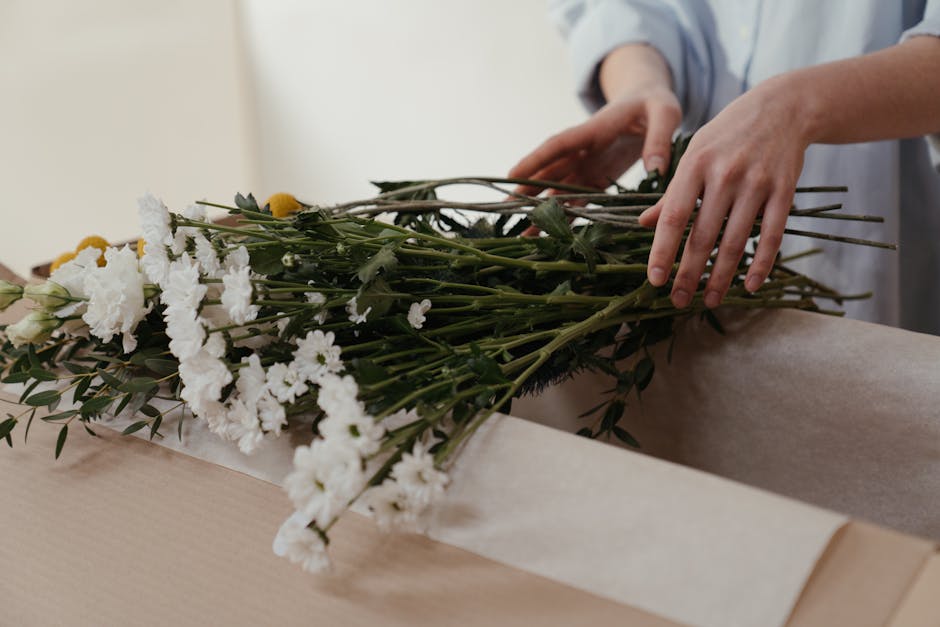
Frequently Asked Questions
What does compostable flower packaging mean?
It means the packaging is designed to break down under composting conditions rather than persisting like conventional plastic. In practice, you still need to check the exact material and the disposal guidance, because not every compostable item behaves the same way.
Is compostable packaging always better for flowers?
Not automatically. It has to protect the bouquet, handle moisture, and survive delivery. If it fails in transit, the sustainability benefit is lost because replacement and waste go up. Good fit matters more than the label alone.
Can compostable flower packaging be used for same-day delivery?
Yes, often it can. Same-day local delivery is one of the easiest situations for compostable materials because transit times are shorter and handling is more controlled. The packaging still needs to be secure and weather-resistant enough for the route.
What is the difference between compostable and recyclable packaging?
Recyclable packaging is meant to be collected and processed into new material, while compostable packaging is designed to break down into organic matter in suitable conditions. They are not interchangeable, and each one depends on how the material is made and disposed of.
How do I make flower delivery more sustainable in the UK?
Start with right-sized packaging, reduce mixed materials, group delivery routes, and use clear care and disposal instructions. Then test the setup with real orders. Sustainability improves when the process is practical, not just well-intended.
Do customers need special instructions for compostable packaging?
Usually, yes. Clear disposal guidance helps avoid confusion. If a component belongs in home compost, food waste, or general waste, say so plainly. Customers are much more likely to do the right thing when the instruction is short and specific.
Is compostable packaging suitable for wedding flowers?
Absolutely, provided it still protects the flowers and suits the scale of the event. Wedding flowers often benefit from elegant, low-waste presentation, especially when the packaging is tailored to the arrangement and delivery timing.
Will sustainable packaging increase my flower delivery costs?
Sometimes the materials can cost more, but there may be offsets from better route planning, less damage, and cleaner operations. The overall picture depends on your product mix and delivery model, so it is worth comparing the full cost, not just the packaging line.
What should I avoid when choosing eco-friendly flower packaging?
Avoid vague green claims, excessive material mix, weak wraps, and packaging that looks sustainable but performs badly. The most common mistake is choosing something that sounds good but does not survive real delivery conditions.
Can sustainable delivery still look premium?
Yes, very much so. In fact, restrained packaging often looks more premium than over-layered gift wrap. Natural textures, good structure, and a neat presentation can feel more expensive than flashy plastic finishes.
How do florists check whether packaging is truly compostable?
They should ask suppliers for material details and disposal guidance, then verify how the packaging is intended to break down. If the wording is unclear, treat it cautiously. Clear documentation is better than a nice-sounding promise.
What is the best packaging for flowers sent by post?
The best option is usually a protective system that keeps the bouquet stable while using as little non-essential material as possible. For postal flowers, a compostable sleeve alone is often not enough; you usually need extra crush protection and moisture control too.
Should every flower product use the same eco packaging?
No. A small hand-tied bouquet, a large sympathy arrangement, and a bridal bouquet all need different levels of protection. A flexible approach usually works best, because sustainability and performance have to be matched to the product.